
Legal Basement Apartment Cost in Toronto, 2026
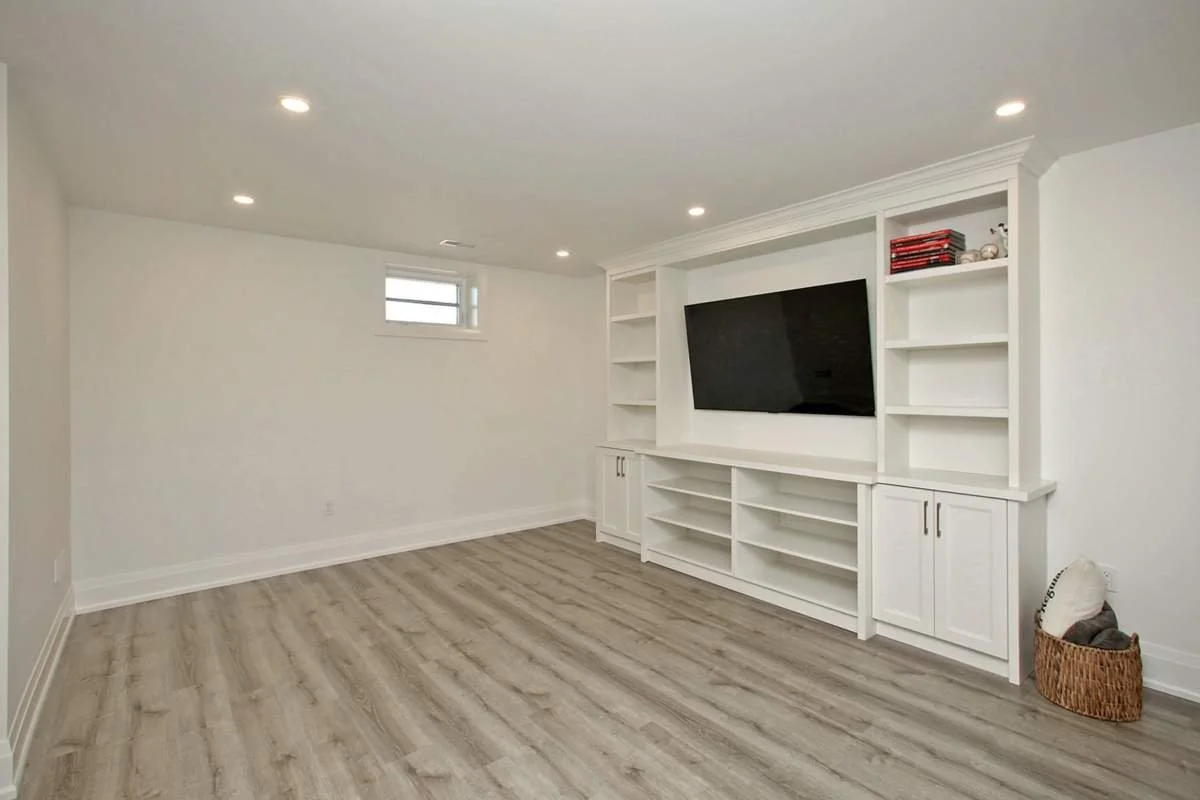
A legal basement apartment conversion in Toronto is a self-contained dwelling unit you build under your own house so it can be rented out long-term under City of Toronto Zoning By-law 569-2013 and the Ontario Building Code.
The cost sits at the higher end of any basement project because the work has to satisfy requirements that a family-only basement does not carry, including a separate entrance, specific ceiling height, egress windows or a second exit, a full kitchen, a full bathroom, fire separation, and interconnected smoke and carbon monoxide alarms. Your actual number depends on the square footage, the condition of the existing slab and walls, whether you need to dig down for ceiling height, and whether the suite has to pass Toronto's legal rental checklist on the first inspection or the second.
Chris and Julie, a husband-wife team with 15+ years of Toronto renovation work behind them, run every legal basement apartment conversion through the same 4-step process before a cost range gets anywhere near a contract: listen, design, price, build. That is how we keep budget conversations honest.
What Makes a Basement Apartment Legal in Toronto
The single biggest driver of legal basement apartment cost in Toronto is the gap between what the basement looks like today and what the City's legal rental checklist requires.
A legal basement apartment is a separate dwelling unit, and the City of Toronto has specific items you have to satisfy before it can be rented long-term. The full set of items below is set out in the Ontario Building Code Part 9 (Housing and Small Buildings), as enforced by City of Toronto Building Permit review:
Separate entrance
The unit needs its own door that does not pass through the main dwelling. On many Toronto lots this means cutting a side walkout or building an exterior stairwell.
Ceiling height
The basement has to meet a minimum ceiling height under the Ontario Building Code. Many older Toronto basements fall short, which forces a choice between underpinning (digging down to lower the slab) or bench footing (building a perimeter bench while keeping the original slab).
Egress windows or a second exit
Every bedroom needs a code-compliant egress window or a second way out. Cutting egress windows in a foundation wall is structural work, not finishing work.
Full kitchen
A kitchen-less basement is not a legal apartment. The unit needs a proper kitchen with its own plumbing and electrical.
Full bathroom
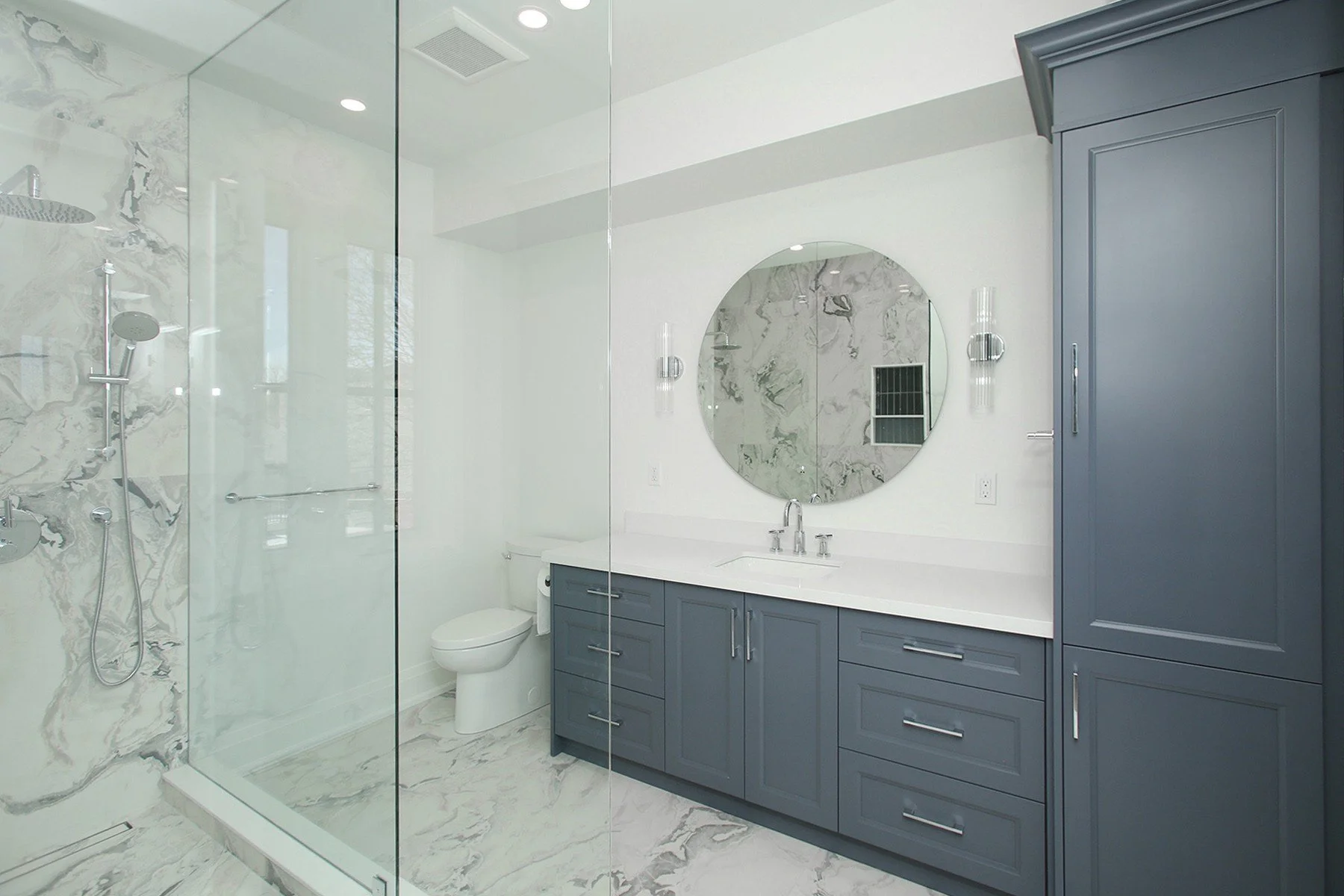
A powder room does not qualify. The legal apartment needs a full three-piece bathroom.
Fire separation
The ceiling assembly between the apartment and the upstairs dwelling has to meet fire-rating requirements. That changes the ceiling construction and sometimes the floor above.
Interconnected alarms
Smoke and carbon monoxide alarms must be interconnected between the apartment and the main dwelling so one alarm triggers all.
Electrical service
Older homes with 100-amp electrical service may need an upgrade to safely carry the additional load of a second kitchen, second laundry, and rental-suite equipment. The decision depends on the existing panel capacity, current load, and the new appliances; an electrical assessment by a Licensed Electrical Contractor under the Electrical Safety Authority is required before the work proceeds.
None of these items are optional if they apply to your house. If your project also requires a relaxation of a zoning provision, for example a side-entrance setback or a hard-surface coverage limit, you may also need a minor variance from the City of Toronto Committee of Adjustment. We flag them in the feasibility stage, price them honestly, and let you decide whether to proceed. A legal basement apartment cost in Toronto that skips any one of these is not a legal basement apartment cost at all. It is a finished basement cost with the word legal stapled to it, and the City will say so when the inspector arrives. Our Basement Apartments in Toronto page walks through the full legal requirements checklist so you can see exactly what applies to your home before booking a feasibility visit.
Waterproofing and Structural Work
Toronto basements sit in clay. Many were built before modern membranes, weeping tile standards, or sump systems were common. Canada Mortgage and Housing Corporation housing-stock data shows a meaningful share of Toronto's detached and semi-detached homes pre-date 1960, and water-management upgrades on those properties are the rule, not the exception. Before we put a dollar figure on the apartment fit-out, we look at what is underneath it, because finishing a basement apartment that still leaks is the most expensive mistake a homeowner can make.
Common items we catch on a basement apartment feasibility walk-through:
Interior or exterior waterproofing
If the foundation wall is damp, efflorescing, or actively leaking, you do not finish over it. You fix it first.
Weeping tile and sump pump
Older Toronto homes often have clay weeping tile that has failed. We replace with modern perimeter drainage and a sump system before the slab gets touched.
Underpinning or bench footing
If the existing ceiling height is under what the legal apartment route requires, you either dig down (underpin) or build a perimeter bench (bench footing). Underpinning costs more and buys you the full floor area at full height. Bench footing costs less and gives up some floor area around the walls.
Structural openings
Egress windows for a legal apartment usually mean cutting the foundation wall, installing a window well, and adding a lintel. This is structural work, not finishing work, and it gets engineered and permitted.
Electrical service upgrade
Running a second kitchen and a second laundry alongside the main-dwelling loads can require a service upgrade. A Licensed Electrical Contractor will assess existing panel capacity, current load, and the planned suite appliances under the Electrical Safety Authority before the work proceeds.
A legal basement apartment cost in Toronto that skips the substrate work is not a real number. It is a number that will grow mid-project.
Fit-Out Costs by Scope
After waterproofing, structural, and code compliance, the rest of a legal basement apartment cost comes from the fit-out. These are the line items that move your budget up or down inside a given scope.
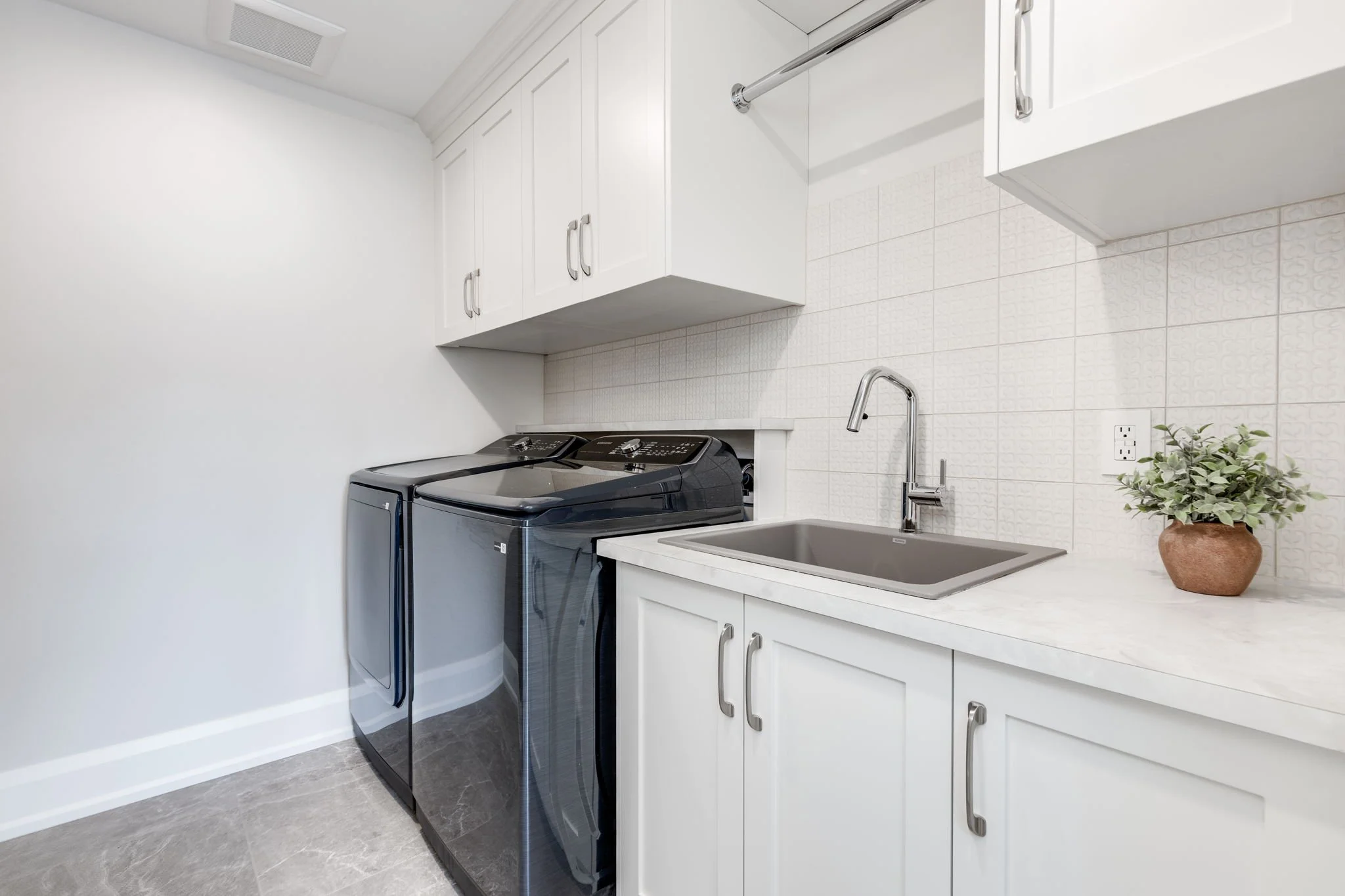
Layout and framing
An apartment with a living room, one bedroom, a bathroom, a laundry, and a mechanical room frames faster than an apartment with two bedrooms, two bathrooms, or a den. Every wall is labour and material.
Ceilings
The ceiling between the apartment and the main dwelling has to meet fire-separation requirements, which changes the assembly. We will recommend options that meet code without over-building.
Flooring
Engineered hardwood, luxury vinyl plank, porcelain tile, and polished concrete sit at different price points. In a basement apartment, moisture performance and tenant durability matter as much as look. We will recommend options inside your budget that we know hold up in Toronto clay conditions and across a rental cycle.
Bathroom
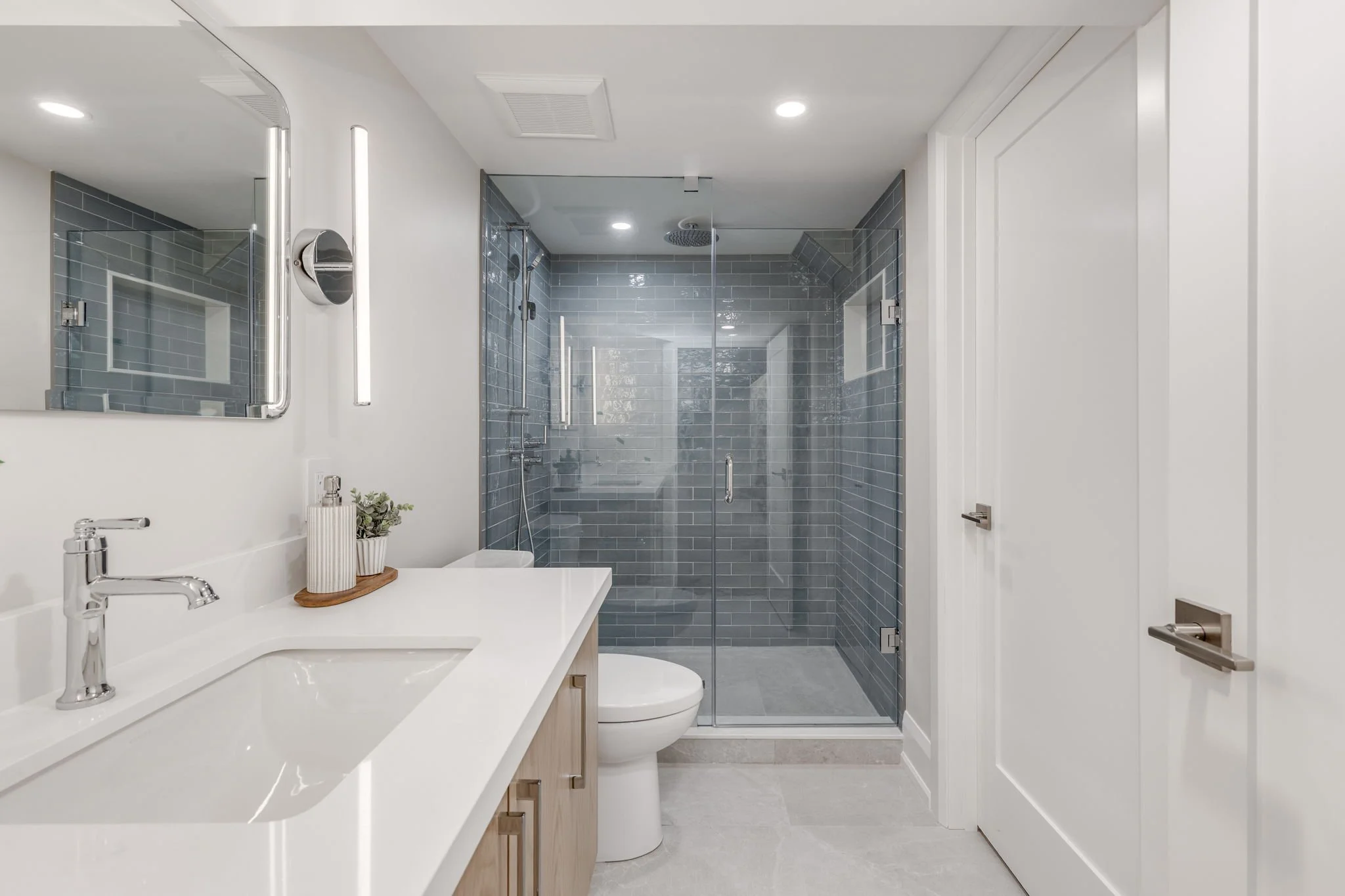
A full three-piece is required. Scope ranges from a compact three-piece with a fibreglass tub-shower, to a tiled three-piece with a frameless shower. Both meet code; one rents for more.
Kitchen
Required, and must be its own kitchen, not a shared one. The scope ranges from acompact kitchenette with a small range, a counter-depth fridge, and a sink, to a full second kitchen comparable to the main floor. The apartment use case usually lands in the middle.
Finishes and millwork
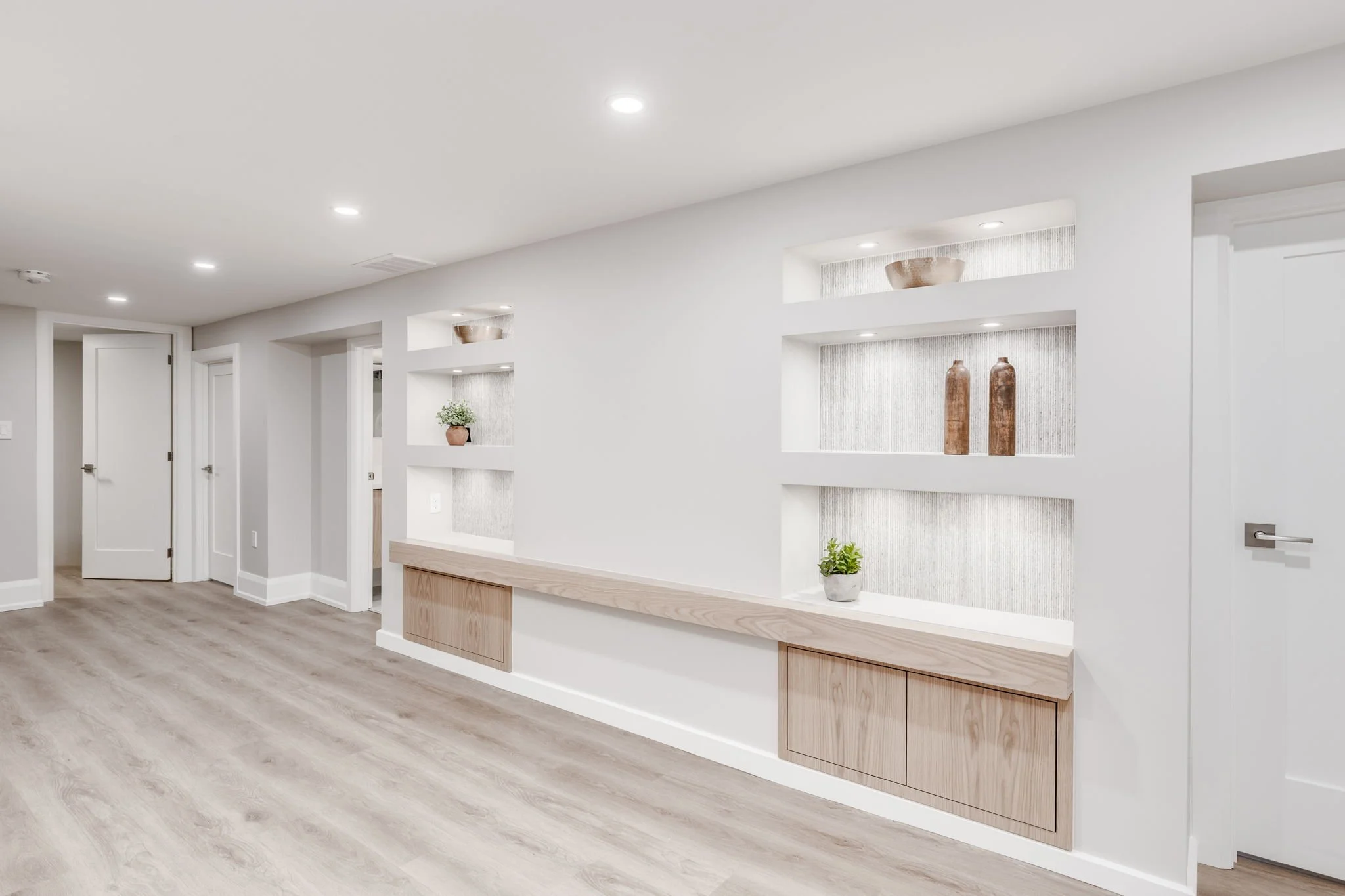
Built-in media walls, custom banquettes, and high-end fixtures each add a measurable line. For a rental suite, we will price each one against the rental-market return so you see the tradeoff before you commit.
Our 4-step process holds this part steady. We listen to how the apartment will actually rent in your neighbourhood, design against that brief under one roof, price the full scope with the trades who will build it, and build without surprises.
ROI for Rental Suite Conversions
The math on a legal basement apartment is not only about cost. It is about what the finished suite returns.
Three things drive ROI on a Toronto basement apartment conversion:
Rental income
A legal, well-finished basement apartment in a family neighbourhood generates meaningful monthly rent. Actual rents vary by neighbourhood, unit size, and finish level. A local real estate agent or property manager can give you a defensible number for your specific street, and the Canada Mortgage and Housing Corporation Rental Market reports publish Toronto CMA rent benchmarks each fall.
Property value
A legal secondary suite adds value at resale, more than an equivalent unfinished basement, and often more than a comparable finished basement that does not qualify as a legal apartment. Buyers price the income potential in. Renovation industry studies on the Houzz Research library consistently rank legal secondary-suite conversions among the higher-yielding renovation categories on resale, after kitchens and primary bathrooms.
Tax treatment
Rental-use portions of your home carry specific tax treatment. Speak to your accountant before you sign, not after.
The cost of getting the conversion legal, the permit, the inspections, the egress, the fire separation, is what unlocks all three of those returns. Shortcutting any of those is how a basement ends up un-rentable, un-insurable, or un-sellable. We do it the long way on purpose.
We listen and tailor every detail to your family, your house, and your goal for the basement apartment, whether that goal is a rental stream, a multi-generational suite for an aging parent or adult child, or a resale play. That is how the cost conversation stays connected to the outcome you actually want.
Ready to Get a Real Legal Basement Apartment Budget?
A legal basement apartment cost in Toronto is not a single number on a price list. It is the sum of what your house actually needs to become code-compliant, the scope you actually want, and the finish level that will hold up across tenants. We price yours against the real house, not against a spreadsheet.
Chris and Julie handle design-build under one roof, so the number you get at the end of the design stage is the number that holds through the build. Start with a Basement Apartments consult and we will walk through your basement, review zoning and egress for your specific lot, listen to what you want the suite to become, and give you a budget range you can plan around.
About Waterfront Home Improvements
Waterfront Home Improvements is a husband-wife design-build practice run by Chris and Julie. Together they have spent more than 15 years on Toronto residential projects, with deep concentration in the west end: Roncesvalles, High Park, Swansea, Bloor West Village, The Junction, Etobicoke, and Mimico. Every project moves through their 4-step process under one roof: listen, design, price, build. The same two people who scope the addition are the people who price it, draw it, and stand on site while it is constructed.
Legal basement apartments concentrate every difficult element of a residential renovation into one room: foundation work, structural openings, fire separation, second-kitchen plumbing and venting, second-laundry venting, and any required electrical service upgrade, all to a code review that is unforgiving on egress and fire safety. Chris leads the structural openings, underpinning or bench-footing decision, and the permit pathway through Toronto Building.
Julie leads the suite layout, building-designer drawings, and the rental-grade finish specification that has to hold up tenant by tenant. The cost and ROI guidance in this article reflects real Toronto basement-apartment conversions completed under their own contracts, not generic industry estimates.
Sources
Government and Regulatory
• City of Toronto, Building Permit Fees, https://www.toronto.ca/services-payments/building-construction/apply-for-a-building-permit/building-permit-fees/, accessed 2026-04-27.
• City of Toronto, Apply for a Building Permit, https://www.toronto.ca/services-payments/building-construction/apply-for-a-building-permit/, accessed 2026-04-27.
• City of Toronto, Committee of Adjustment, https://www.toronto.ca/city-government/planning-development/committee-of-adjustment/, accessed 2026-04-27.
• City of Toronto, Zoning By-law 569-2013, https://www.toronto.ca/city-government/planning-development/zoning-by-law-preliminary-zoning-reviews/, accessed 2026-04-27.
• Government of Ontario, Ontario's Building Code, https://www.ontario.ca/page/ontarios-building-code, accessed 2026-04-27.
Industry Associations
• Canadian Home Builders' Association (CHBA), https://www.chba.ca/, accessed 2026-04-27.
• Building Industry and Land Development Association (BILD), GTA, https://www.bildgta.ca/, accessed 2026-04-27.
Market Data
• Statistics Canada, New Housing Price Index, monthly, Table 18-10-0205-01, https://www150.statcan.gc.ca/t1/tbl1/en/tv.action?pid=1810020501, accessed 2026-04-27.
• Canada Mortgage and Housing Corporation, Housing Markets, Data and Research, https://www.cmhc-schl.gc.ca/professionals/housing-markets-data-and-research, accessed 2026-04-27.
• Houzz Research, https://www.houzz.com/research, accessed 2026-04-27.