
LEGAL BASEMENT APARTMENT CONVERSIONSBasement Apartments in Toronto
Legal basement apartments, engineered and built for long-term rental income.
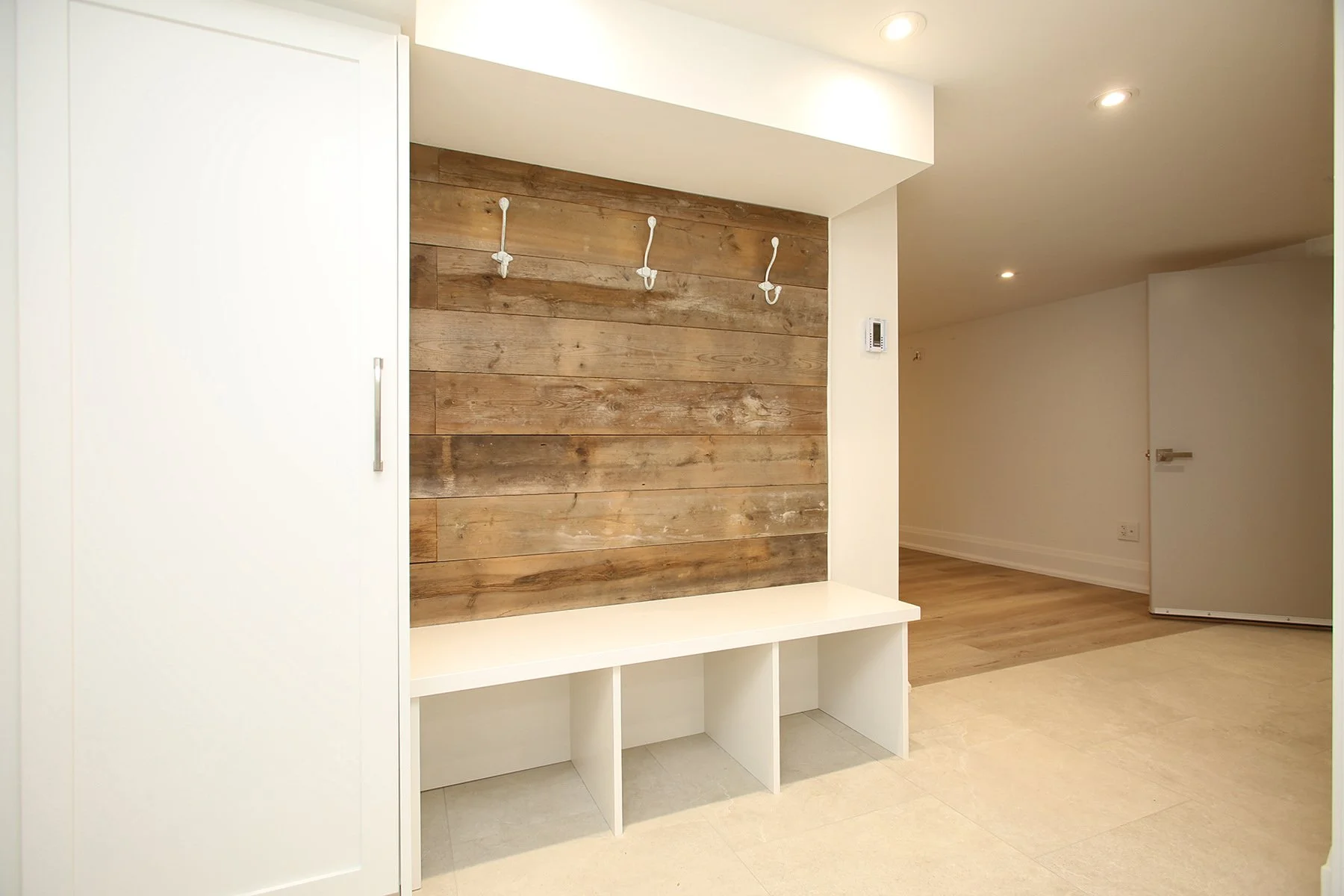
A legal basement apartment is very different from a finished basement. One is designed for long-term occupancy, rental compliance, life safety, and municipal approval. The other is simply additional finished space within the home.
At Waterfront Home Improvements, we focus specifically on legal basement apartment Toronto projects — fully permitted secondary suites designed for rental income, multi-generational living, or long-term property value. Every basement apartment conversion is planned around zoning, code compliance, structural conditions, waterproofing, and the realities of how the suite will function day to day.
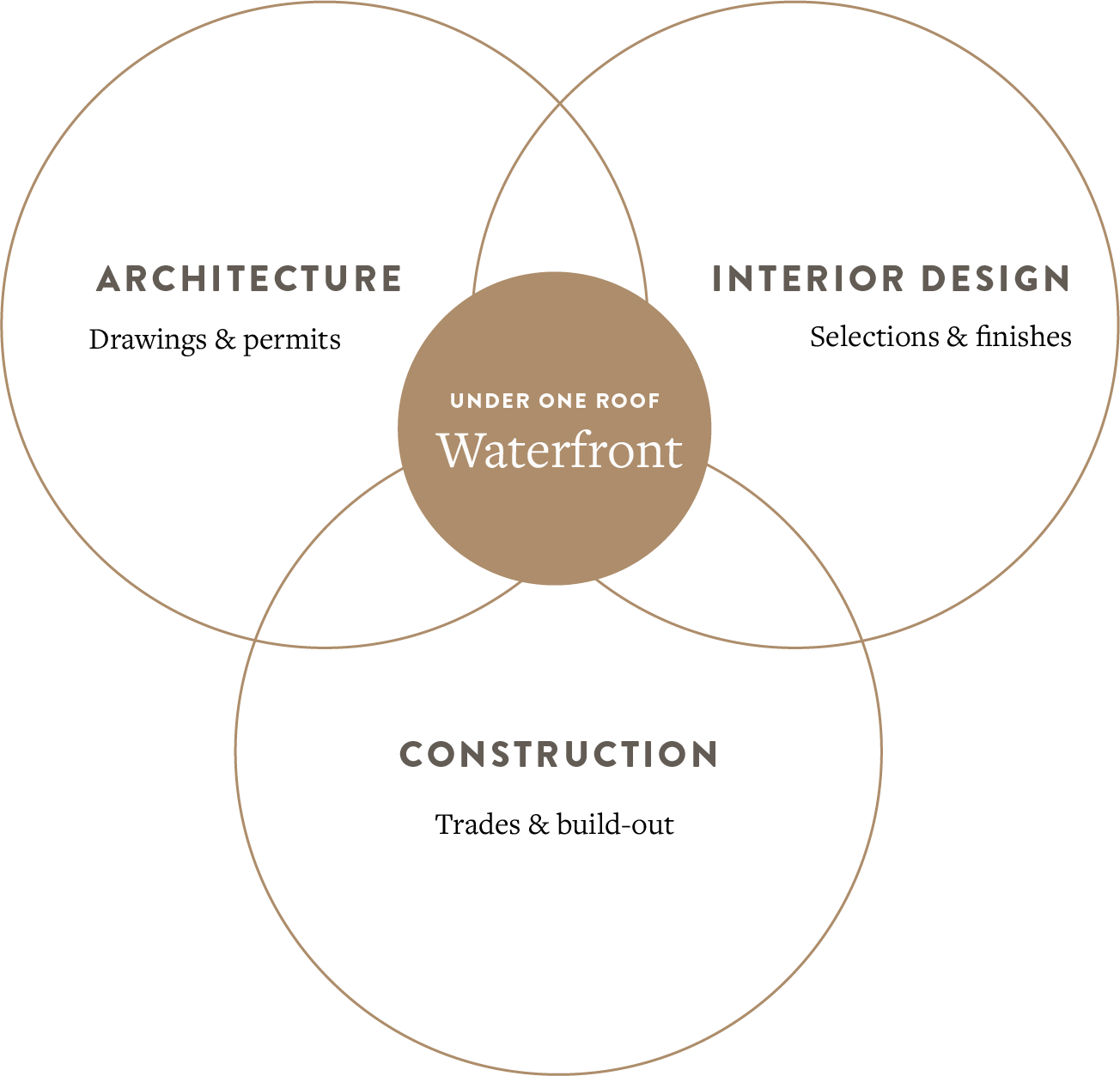
For over 15 years, our design-build team has completed legal basement apartment projects in Toronto across Etobicoke, Mimico, Roncesvalles, Swansea, Port Credit, and Mississauga. Every project moves through one integrated process under one roof, from feasibility and permitting through construction and final inspection.
The goal is not simply to finish a basement. It is to create a legal, durable, and well-designed secondary living space that feels integrated into the home and built for long-term use.
LEGAL REQUIREMENTSLegal Basement Suite Requirements

A legal basement suite typically requires:
Separate Entrance — Independent exterior access that satisfies Ontario Building Code requirements for secondary suites.
Ceiling Height — Minimum ceiling clearances that allow the basement to qualify as habitable living space.
Egress Windows — Proper bedroom window sizing and escape access for life safety and emergency exit.
Full Kitchen and Full Three-Piece Bathroom — Independent cooking and bathroom facilities for legal occupancy.
Fire Separation — Fire-rated assemblies between the primary residence and basement suite.
Interconnected Alarms — Smoke and carbon monoxide alarms interconnected between units as required by code.
Electrical Capacity — Adequate electrical service and panel capacity to support the additional unit.
Zoning Check — Review of local zoning requirements, parking conditions, and secondary suite eligibility.
Registration — Final municipal approvals and registration requirements where applicable.
Every legal basement apartment in Toronto project begins with feasibility. Not every basement can become a legal secondary suite without structural modifications, zoning review, or life-safety upgrades. Part of our role is evaluating those conditions early before design and permit coordination begin.
A basement unit conversion Toronto owners sometimes try to shortcut often fails one of these checks, which is why we build the full checklist into our feasibility visit before we talk price.
PROCESSOur Conversion Process
Every legal basement apartment follows a structured process designed to move the project from feasibility through final inspection as clearly as possible.
1. Feasibility Visit
We begin with a site visit to assess ceiling height, structural conditions, drainage, access, zoning, and life-safety requirements. This stage determines whether the basement can support a legal conversion and what upgrades may be required.

2. Design & Planning
Our in-house design studio develops the suite layout, kitchen and bathroom planning, egress strategy, structural coordination, and permit-ready drawing package.
3. Permits & Engineering
We coordinate building permits, structural engineering, electrical permits, and plumbing approvals as required for the project.
4. Construction
Construction typically includes framing, insulation, waterproofing upgrades, plumbing, electrical, HVAC coordination, drywall, flooring, kitchen installation, bathroom construction, and fire-separation assemblies.
Because the design and construction teams work together from the beginning, the project remains coordinated through every phase rather than being handed between separate consultants and contractors.

5. City Inspection & Completion
Final inspections are coordinated with the City to confirm the suite meets applicable requirements for occupancy and approval.
RECENT PROJECTSRecent Legal Basement Apartment Projects

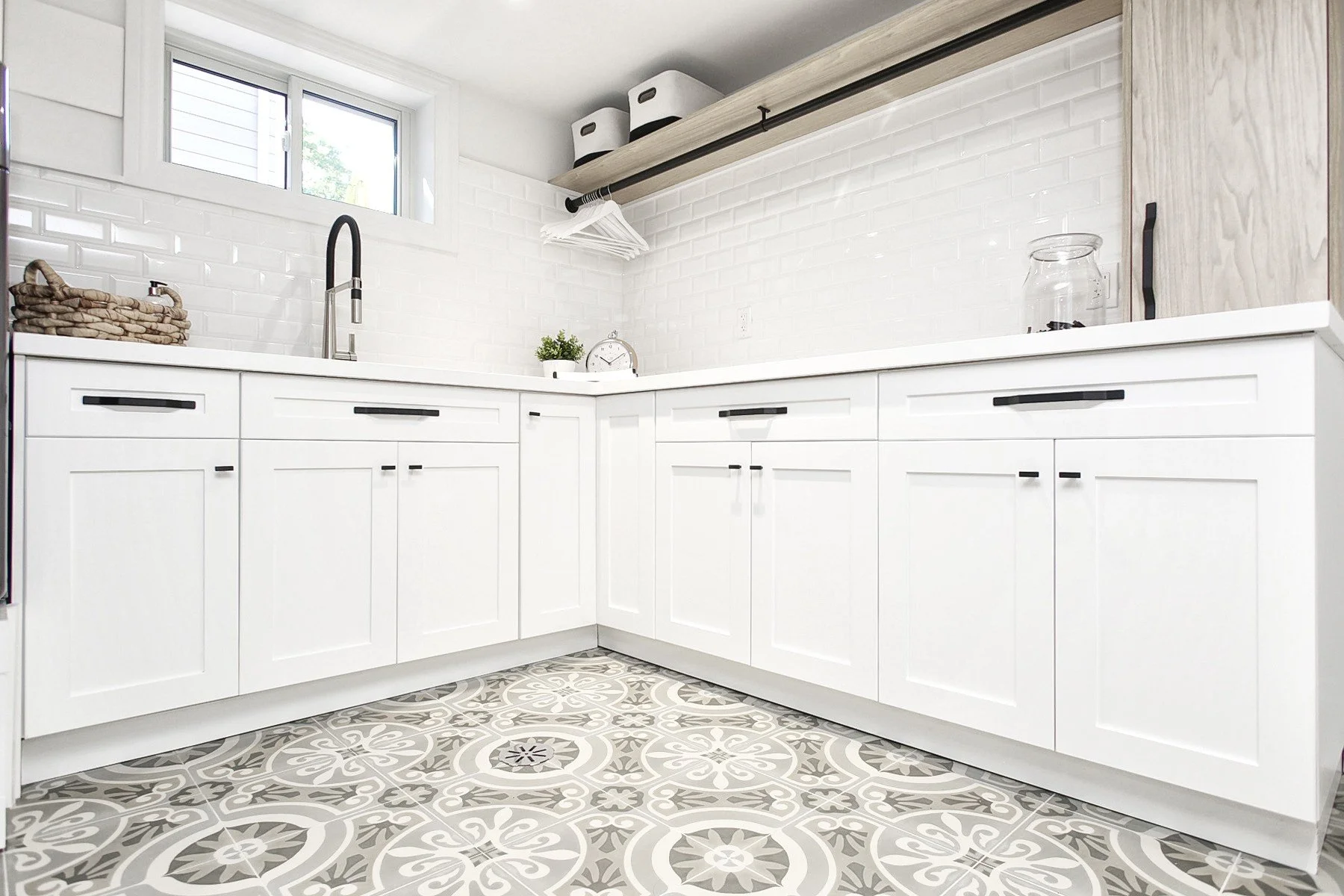
Recent legal basement apartment Toronto projects completed by Waterfront include:
A basement suite conversion in Mimico with a separate side entrance, full kitchen, one-bedroom layout, and enlarged egress windows
A two-bedroom Roncesvalles secondary suite project involving underpinning, structural beam work, and a full-height open-concept layout
A Port Credit basement apartment conversion designed for long-term rental income with integrated storage and durable finish selections
A Mississauga basement unit conversion project incorporating waterproofing upgrades and a fully independent HVAC system
A Swansea basement suite renovation with improved ceiling height, new drainage work, and a contemporary kitchen and bathroom layout
Every project was designed and constructed as a legal secondary suite rather than a standard finished basement renovation.
WHEN IT FITSWhen a Legal Basement Apartment Fits Your Plan
Legal basement apartments are usually driven by one of three goals:
Income Property
Homeowners looking to create long-term rental income while improving the value and flexibility of the property.
Multi-Generational Living
Families creating independent living space for parents, adult children, or extended family while remaining within the same home.
Resale Positioning
Homeowners improving the long-term marketability of the property through a legal secondary suite conversion.
In some cases, broader projects such as Home Additions or Interior Reconfigurations may ultimately provide a better solution depending on the goals for the home.
Part of our process is helping homeowners determine which direction creates the best long-term outcome before construction begins.
ROIROI and Rental Potential
A legal basement apartment can add value to a property in multiple ways.
For many homeowners, the primary benefit is long-term rental income that helps offset mortgage costs and increase overall property flexibility. Others use basement suites to create space for extended family, adult children, or aging parents while maintaining separation and privacy within the home.
A well-designed legal basement apartment project in Toronto can also strengthen future resale positioning. Buyers increasingly value homes with flexible secondary living space already permitted and constructed to code.
Rental performance is typically influenced by:
neighbourhood location,
ceiling height,
natural light,
suite layout,
bedroom count,
parking conditions,
and the overall quality of the finish level.
Tax treatment, financing implications, and municipal registration requirements vary depending on the property and homeowner situation, so we always recommend discussing those considerations with an accountant or mortgage advisor early in the planning process.
WATERPROOFINGWaterproofing and Structural Work
Basement apartments place higher performance demands on the lower level of the home than a standard finished basement.
Moisture management, drainage, insulation, and structural conditions all need to be addressed carefully for the suite to perform well long term.
Depending on the property, Toronto basement apartment projects may require:
interior or exterior waterproofing,
weeping tile upgrades,
sump pump installation,
slab replacement,
drainage correction,
or foundation crack repair before finishing begins.
Where additional ceiling height is required, projects may involve either underpinning or bench footing systems depending on the structural and budget conditions of the home.
Egress windows often require new structural openings through the foundation wall as part of the conversion process. These openings must be coordinated carefully with drainage, grading, and structural reinforcement requirements.
Our role is to identify these conditions early and integrate them into the project scope before construction begins.
Related Services
-
Interior Reconfigurations
-
Architectural Design
Start a Basement Conversation
Every legal basement apartment begins with feasibility.
Our team will walk the property, evaluate structural and zoning conditions, discuss rental goals, and determine what upgrades may be required to create a legal secondary suite within the home.
From there, our team coordinates design, permits, engineering, construction, and final inspection through one integrated process under one roof.
For homeowners planning a legal basement apartment Toronto project, our Legal Basement Apartment Cost guide outlines typical project considerations, construction variables, and directional budgeting information for 2026 conversions.